There are 1,440 minutes in every day. Schedule 30 of them for physical activity!
Regular exercise is a critical part of staying healthy. People who are active live longer and feel better. Exercise can help you maintain a healthy weight. It can delay or prevent diabetes, some cancers and heart problems.
Most adults need at least 30 minutes of moderate physical activity at least five days per week. Examples include walking briskly, mowing the lawn, dancing, swimming for recreation or bicycling. Stretching and weight training can also strengthen your body and improve your fitness level.
The key is to find the right exercise for you. If it is fun, you are more likely to stay motivated. You may want to walk with a friend, join a class or plan a group bike ride. If you've been inactive for awhile, use a sensible approach and start out slowly.
Source: Centers for Disease Control and Prevention
Have a healthy and happy day!!
Call your Total Whole Health, Fitness, and Nutrition Fitness Elements Express Specialist Today!
(2).jpg)
Friday, September 24, 2010


Thursday, September 23, 2010
Brain Foods That Help You Concentrate Slideshow on MedicineNet.com from Fitness Elements Express!

Brain Foods That Help You Concentrate Slideshow on MedicineNet.com
Have a Healthy and Happy Day my Health and Fitness Friends!!
News Alert! Juice and Cider: Make Sure They're Safe from Fitness Elements Express!

By Martin J. Stutsman, Consumer Safety Officer, FDA's Center for Food Safety and Applied Nutrition
When fall arrives, many of us look forward to enjoying fresh apple cider and juices. While most people think of juices as healthy foods, since they provide many essential nutrients, certain types of juice could pose a health risk to your family.
Why Juice Is Pasteurized or Treated
Most of the juice sold in the United States is pasteurized (heat-treated) to kill harmful bacteria, such as E. coli and Salmonella. Juice may also be treated by non-heat processes to kill bacteria.
When fruits and vegetables are fresh-squeezed to produce juice, any bacteria that are present on the inside or the outside of the produce can become part of the finished product. Unless the juice is further processed to destroy harmful bacteria, it could be dangerous for those most at risk for foodborne illness.
Who’s at Risk?
Infants and young children, pregnant women, older adults, and people with weakened immune systems, such as AIDS and cancer patients, diabetics, recipients of organ transplants, and others with chronic diseases are at greatest risk for foodborne illness.
While most people’s immune systems can usually fight off foodborne illnesses, people in these “at-risk groups” are susceptible to serious illness from drinking juice that has not been processed to kill bacteria. FDA recommends that these groups should drink unpasteurized juice only if they bring it to a boil first to kill any harmful bacteria.
Check the Label
Some grocery stores, health food stores, cider mills, and farm markets sell packaged juice that was made on site that has not been pasteurized or processed to ensure its safety. These untreated products should be kept refrigerated and are required to carry the following warning label:
WARNING: This product has not been pasteurized and therefore may contain harmful bacteria that can cause serious illness in children, the elderly, and persons with weakened immune systems.
The FDA does not require this warning label for juice or cider that is fresh-squeezed and sold by the glass at orchards, farm markets, roadside stands, or in some restaurants or juice bars. So, if you stop at a roadside stand or farm market where samples of cider or apple juice are available, be sure to ask whether the juice has been treated.
Two Simple Steps to Prevent Illness
1. Always Read the Label
Look for the warning label to avoid juice that has not been pasteurized or otherwise processed. In particular, look for the warning label on any packaged juice product that may have been made on site, such as at grocery and health food stores, cider mills, or farm markets.
2. When in Doubt, Ask!
Always ask if you are unsure if a juice product is pasteurized or not. Pasteurized juice is normally found in your grocers’ frozen food cases, refrigerated section, or on the shelf in containers such as juice boxes, bottles, or cans. Do not hesitate to ask questions if the label is unclear or if the juice or cider is sold by the glass.
Questions and Answers
Updated September 22, 2010
Q. Are juices made at home with a juicing machine safe? Are there special precautions to take when making juice at home, other than washing fruit and vegetables?
A. While it's important to wash fruits and vegetables before consuming them, any bacteria on the outside or inside of produce could contaminate the juice. Unless you process the juice to destroy the bacteria, it could still be dangerous for people who are at risk for foodborne illness.
Source: FoodSafety.Gov
Have a healthy and happy day!!
Tuesday, September 21, 2010
Catch a Glance Perform like Lance! New special Offer from Fitness Elements Express!!


Catch a Glance Perform Like Lance!
New! Special Offer from Fitness Elements Express!
19.09 % Off Your Holistic Sports Nutrition System with a Result Guarantee!!
Have a High performing Day!!
Figalicious! Your fruit of the month from Fitness Elements Express!!

Fruit of the Month: Figs
Figs, one of mankind’s oldest fruits, is only now receiving its due attention in homes across the United States. Although considered a fruit, the fig is actually a flower inverted into itself. They are the only fruit to ripen on the tree. Originally native from Turkey to northern India, the fig fruit spread to many of the Mediterranean countries. The primary producers of dried figs today are the United States, Turkey, Greece, and Spain. This highly nutritious fruit arrived in the United States by Spanish missionaries settling in Southern California in 1759. Fig trees were soon planted throughout the state.
Figs
Serving Size 1/2 cup raw (74g)
Amounts Per Serving % Daily Value
Calories 90
Calories from Fat 0
Total Fat 0g 0%
Saturated Fat 0g 0%
Cholesterol 0mg 0%
Sodium 0mg 0%
Total Carbohydrate 24g 8%
Dietary Fiber 2g 7%
Sugars 11g
Protein 1g
Vitamin A 15%
Vitamin C 25%
Calcium 0%
Iron 2%
* Percent Daily Values are based on a 2,000 calorie diet.
Varieties
There are hundreds of fig varieties but the following are most commonly found in today’s markets.
The Calimyrna Fig: Is known for its nut-like flavor and golden skin. This type is commonly eaten as is.
The Mission Fig: Was named for the mission fathers who planted the fruit along the California coast. This fig is a deep purple which darkens to a rich black when dried.
The Kadota Fig: Is the American version of the original Italian Dattato fig, that is thick-skinned with a creamy amber color when ripe. Practically seedless, this fig is often canned and dried.
The Brown Turkey Fig: has copper-colored skin, often with hints of purple, and white flesh that shades to pink in the center. This variety is used exclusively for the fresh fig market.
Fig varieties and photos courtesy of the California Fig Advisory Board
Availability
Fresh figs are available July through September. Dried figs are never out of season, and are available all year. You can find them in your favorite grocery store in the produce or dried fruit section.
Selection
Look for figs that are soft and smell sweet. Handle carefully because their fragile skins bruise easily.
Storage
Store fully ripened figs in the refrigerator up to 2 days; bring to room temperature before serving.
Using Dried Figs As a Replacement For Fat in Your Recipes
Dried figs are excellent replacement for fat in baked goods. Just remember when using dried figs to replace shortening or oil in baking do not overmix or overbake. Use only half of the normal amount of shortening, margarine, butter or oil, in a recipe when using dried puree. For instance, if 1 cup of margarine is called for, use only ½ cup. Then use ½ of the fig puree. Here’s a simple fig puree recipe to include in your baking recipes.
Fig Puree
Makes about 1½cups
Ingredients
2 cups dried figs
¾ cup water
2 tsp vanilla
Puree figs, water and vanilla in blender or food processor. Use as directed.
Nutritional analysis per serving: Calories 178, Protein 2g, Fat 1g, Calories From Fat 4%, Cholesterol 0mg, Carbohydrates 44g, Fiber 9g, Sodium 9mg.
Recipes
Fig Banana Smoothie
Makes 4 servings
Each serving equals 1 cup of fruit or vegetables
Source: California Fig Advisory Board
Ingredients
1 cup chopped dried figs (stems removed)
1 cup 1-inch banana slices
1 cup plain non-fat yogurt
3 cups crushed ice
1 Tbsp honey
mint leaf or berry garnish
Place all ingredients except garnish in a blender (not a food processor), and blend until smooth, approximately 2-3 minutes. Strain liquid and pour into tall, chilled glasses. Add garnish.
Nutritional analysis per serving: Calories 200, Fat 1g, Calories From Fat 5, Cholesterol 0mg, Carbohydrates 49g, Fiber 6g, Sodium 40mg, Sugars 36g.
Have fun with Your Figs and make them extra Figalicious!!
More Vitamin D updates from Your Dietetic Diva!

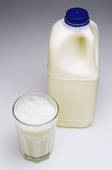
Vitamin D
Chief functions
Regulates absorption and use of calcium and phosphorus for development of bones and teeth
Aids in maintenance of healthy nervous and muscular systems by regulating blood calcium levels
Aids in calcium absorption from intestines and deposition of calcium in bones/teeth
Prevents excessive urinary loss of calcium and phosphorus
Stimulates maturation of cells and proper formation of skeleton
Helps with maintenance of bones in ears for hearing
Essential for mineral homeostasis
Possible benefits
Insulin—may aid in function of insulin, therefore possibly aiding in regulation of blood glucose
Cancer—might aid in prevention or treatment of cancer by altering growth of cells
Immunity—might assist function, thereby helping defend against infection
Dialysis patients—might improve zinc status
Deficiency symptoms
Osteomalacia (adults)
Rickets (children)
Inadequate mineralization of the bone, leading to malformed bones
Deafness
Toxicity symptoms
Irreversible renal or heart damage
Causes calcium deposits in soft tissues—heart and lungs
Fragile bones
Hypertension
Kidney stones, stones in arteries, and excessive thirst
Mental and physical retardation
Constipation
Weight loss
Headaches
Loss of appetite
Irritability
Weakness
Nausea
Diarrhea
Dermatitis
Drowsiness
Stability
Stable to heat and oxidation
Destroyed by excess ultraviolet irradiation
Nutrient-nutrient reactions and absorption
Vitamin D is synthesized in the skin and also absorbed in the small intestine from foods containing vitamin D
For adequate absorption of vitamin D in the diet, at least 10% of calories must come from fat, because vitamin D is a fat-soluble vitamin
Conversion of active vitamin D takes place in the liver
Vitamin D is stored in the liver, skin, brain, bones, and other tissues
Cadmium can block the production of vitamin D in the skin
Sunblock with a SPF of 8 or higher prevents vitamin D synthesis
Clouds, smoke, smog, heavy clothing, window glass, and screens decrease vitamin D synthesis
Pantothenic acid (B5) is necessary for the synthesis of vitamin D in the skin
DRI
mcg
IU
Tolerable Upper Limits
0-1 year
5
200
25 mcg
1-50 years
5
200
50 mcg
51-70 years
10
400
50 mcg
71+ years
15
600
50 mcg
Pregnancy
5
200
50 mcg
Lactating
5
200
50 mcg
DRI=Dietary Reference Intakes
mcg=microgram
IU-international unit
Dietary sources
Fortified milk
Cheese
Cream
Butter and margarine
Oysters, salmon, and tuna
Fortified cereal
Liver
Cod-liver oil
Eggs
Groups at highest risk for deficiency
Dark-skinned children
Infants who are breastfed for a prolonged time with no supplementation
Children with inadequate intake of fortified vitamin D milk
Children on anticonvulsant therapy for epilepsy
Persons with intestinal malabsorption
Females who have had multiple pregnancies and have breastfed with little exposure to the sun
Women with a low calcium intake
Other facts
Vitamin D exists in two forms, D2 (ergocalciferol) and D3 (cholecalciferol)
D2 is the supplemental form of vitamin D
D3 is the naturally occurring form of vitamin D, found in foods and manufactured in the skin with exposure to sunlight
Light-skinned people require 10-15 minutes/day of sun exposure for complete vitamin synthesis
Dark-skinned people require 3 hours/day of sun exposure for complete vitamin synthesis
Persons with limited exposure to sunlight may require a vitamin D supplement
Toxicity can not occur from too much exposure to the sun
If an infant is breastfed and not exposed to sunlight, a daily supplement of 5-7.5 mcg or 200-300 IU is recommended
Fortified foods are the major dietary source of vitamin D
References
Sizer F, Whitney E. Nutrition Concepts and Controversies. 11th ed. Belmont, CA: Thomson & Wadsworth; 2008:219-259.
Somer E. The Essential Guide to Vitamins and Minerals. New York, NY: Harper Collins Publishers; 1992:1-65, 224-246, 287-293.
Schlenker E, Long S. Essentials of Nutrition and Diet Therapy. 9th ed. St Louis, MO: Mosby Elsevier; 2007:107-144.
US Dept of Agriculture, National Agricultural Library, Food and Nutrition Information Center. Dietary Reference Intakes: vitamins. Available at: http://fnic.nal.usda.gov/nal_display/index.php?info_center=4&tax_level=3&tax_subject=256&topic_id=1342&level3_id=5140. Accessed July 28, 2008.
Have a healthy and happy day!!
Subscribe to:
Posts (Atom)

In the neighborhood!

In the backyard!
Hello There My Healthy and Fit Friends!

It is me Natalie Pyles
Fitness Elements Express would love for you to be the next Body Breakthrough!

Follow Fitness Elements Express on You Tube

Connect with Natalie On Face Book

Surf My Space with Natalie

http://www.performbetter.com/


 Posts
All Comments
Posts
All Comments


Anytime, Anyplace!

On the ball!
Subscribe To
Posts
All Comments
Success!
